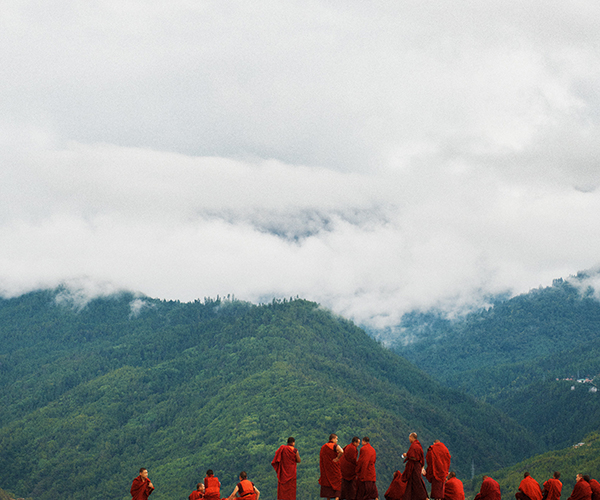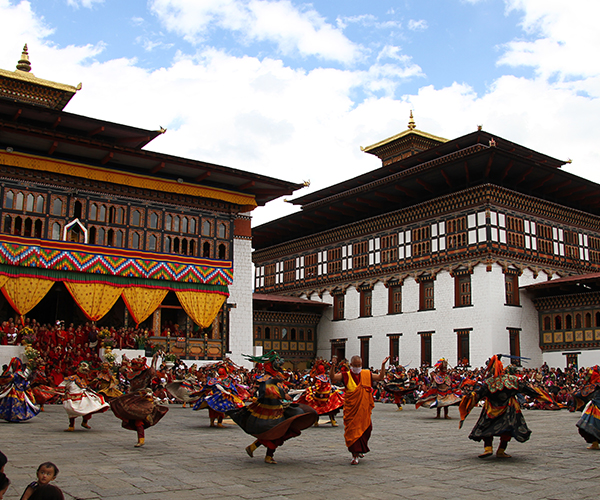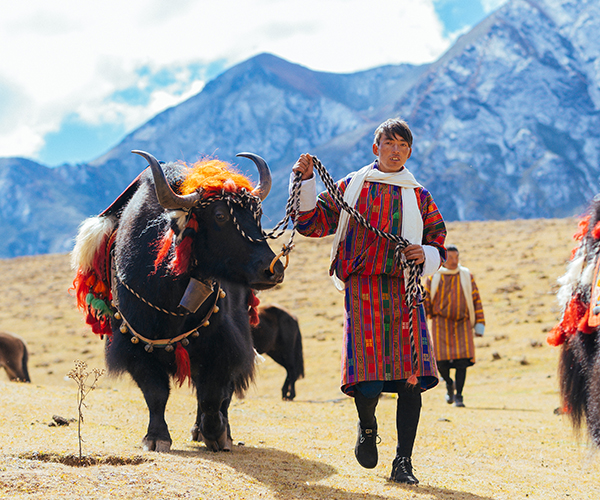
Bhutan, nestled in the Eastern Himalayas, is a destination unlike any other, a land where ancient traditions are lived in daily life rather than preserved in museums, where magnificent mountain landscapes meet rich spiritual legacy, and where development is judged not by wealth but by happiness. Bhutan, often known as the Last Shangri-La, provides travelers with a unique opportunity to experience a world that values balance, sustainability, and cultural purity. Every part of Bhutan, from mist-covered monasteries perched on cliffs to tranquil valleys unaffected by mainstream tourism, reveals a story of human-nature harmony. Bhutan's carefully controlled tourism approach guarantees that each journey is intimate, meaningful, and deeply enriching.
Bhutan's distinct tourism approach is based on the philosophy of "High Value, Low Impact," which is backed by the Sustainable Development Fee (SDF) that visitors are required to pay. This charge helps to maintain the country's commitment to sustainability by subsidizing environmental conservation, cultural heritage preservation, and important public services like healthcare and education. Contributing to the SDF allows travelers to actively conserve Bhutan's natural beauty and cultural identity, ensuring that future generations can continue to enjoy its unadulterated charm.
Bhutan's national currency is the Bhutanese Ngultrum (BTN), which is set at par with the Indian Rupee (INR), making both currencies widely accepted throughout the country. While big hotels and enterprises in cities such as Thimphu and Paro accept credit and debit cards, cash is still the favoured method of payment in small towns and rural areas. ATMs are available in strategic locations, but travellers should carry enough local money for convenience, especially when visiting more distant areas where digital payment alternatives may be restricted.
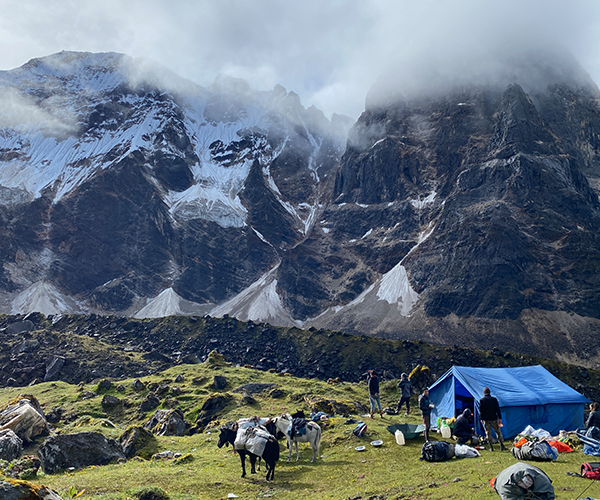
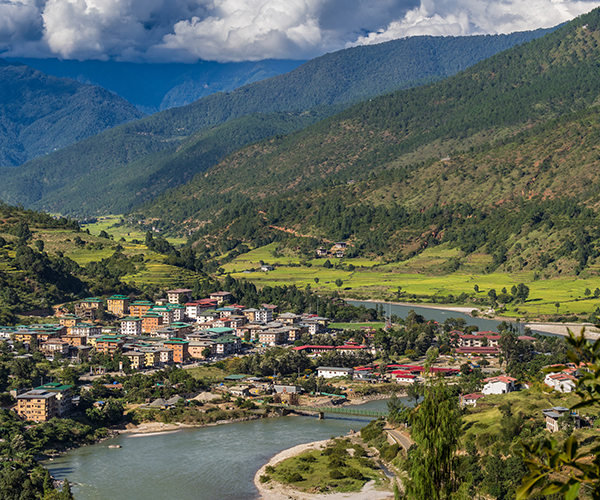
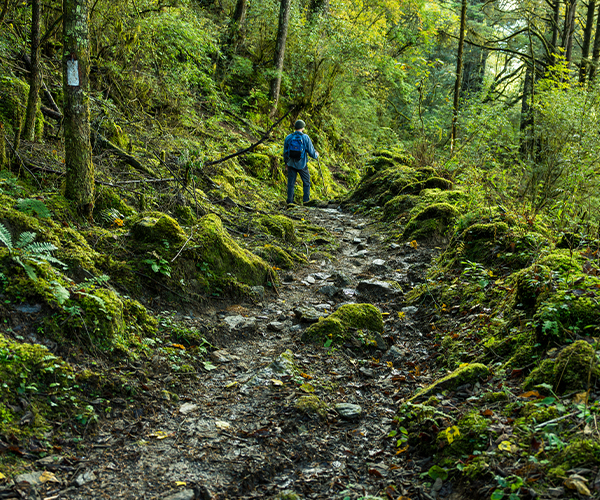
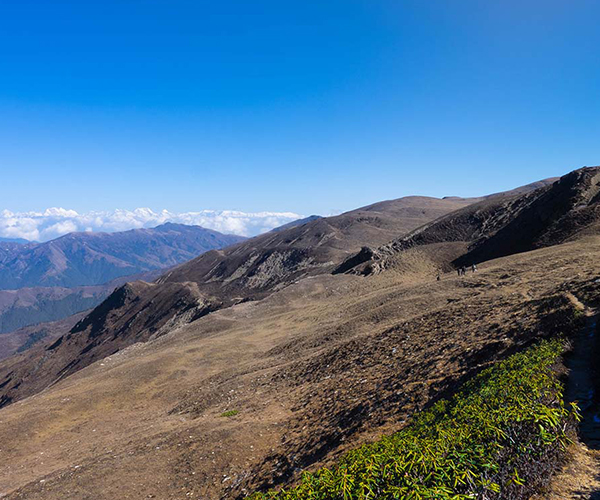
Bhutan is a small, landlocked country wedged between India and China, known for its incredible physical diversity, which runs from subtropical plains in the south to some of the highest peaks in the Himalaya in the north. This extreme altitude change fosters a diverse environment, with dense forests covering more than 70% of the area and supporting an extraordinary variety of plants and wildlife. Bhutan's pure rivers, deep valleys, and snow-capped mountains combine to create a stunning and completely undisturbed terrain, making it one of the world's most environmentally conserved nations.
Bhutan is the only country in the world that assesses success using Gross National Happiness (GNH) rather than just economic progress. This distinctive ideology displays a strong dedication to its people's well-being, balancing material progress with cultural preservation, environmental conservation, and spiritual values. GNH, founded on Buddhist ideals, influences the nation's policies and way of life, guaranteeing that growth does not come at the expense of happiness or harmony. For travellers, this attitude is more than a notion; it is something you can sense in everyday life, from the quiet pace of the cities to the real kindness and contentment of the people.